
Persistent tiredness despite a full night’s sleep is a common concern. While occasional fatigue can result from long hours or daily stress, ongoing exhaustion may indicate an underlying medical condition.





Feeling constantly tired even after a full night’s rest is a concern many people experience. While occasional fatigue is common, especially with long working hours and daily stress, persistent tiredness despite adequate sleep may point to an underlying medical condition.
Common causes include anaemia, nutritional deficiencies, diabetes and thyroid disorders. In this article, we focus on fatigue related to thyroid dysfunction – how it happens, what symptoms to look out for, and when a specialist review may be helpful.
Can Thyroid Problems Cause Constant Tiredness Even With Enough Sleep?
Yes. Thyroid problems, especially hypothyroidism, are a common cause of persistent tiredness, even in people who sleep well. When the thyroid produces too little hormone, the body’s metabolism slows down, leading to ongoing fatigue, low energy and mental sluggishness.
Thyroid-related tiredness is often accompanied by other symptoms such as weight gain, sensitivity to cold, hair thinning, constipation and brain fog. Because these symptoms can develop gradually, thyroid fatigue is frequently overlooked or mistaken for stress or burnout.
A simple blood test measuring thyroid hormone levels can help determine whether the thyroid is contributing to persistent fatigue.
Why Am I So Tired and Have No Energy?
How Thyroid Problems Cause Fatigue
The thyroid is a small but important gland located in the neck. It produces hormones that regulate metabolism, energy production, heart rate and body temperature.
When thyroid hormone levels are too low, the body’s systems slow down. This reduced metabolic activity can cause people to feel physically drained, mentally sluggish and unable to recover energy, even after rest or sleep.
Persistent fatigue is often one of the earliest signs of hypothyroidism, a condition where the thyroid does not produce enough hormones to meet the body’s needs.
What Are Symptoms of Thyroid-Related Fatigue?
Fatigue caused by thyroid issues usually comes with additional symptoms. The more of these you notice, the more reason to suspect a thyroid problem.
Common Symptoms Associated With Hypothyroidism
- Feeling tired most of the time, even after sufficient sleep
- Sensitivity to cold
- Dry or brittle hair and nails, hair thinning, or hair loss
- Unexplained weight gain despite unchanged diet or activity
- Constipation
- Puffy face, hands, or feet
Other Symptoms That May Raise Suspicion
- Swelling or lumps in the neck
- Hoarseness or deepening of the voice
- Slow heartbeat
- Brain fog, poor concentration, or memory difficulties
- Mood changes such as low mood, depression, or irritability
If fatigue is accompanied by several of these symptoms, a thyroid evaluation may be worth considering.
How Is Thyroid-Related Fatigue Different From Normal Tiredness?
Normal tiredness usually improves with rest or sleep. Thyroid-related fatigue tends to persist, feels disproportionate to daily activity, and may gradually worsen over time.
People with thyroid-related fatigue often describe feeling “slowed down” physically and mentally, even on days when they have rested well or reduced their workload.
Who Should I See If I Suspect a Thyroid Problem?
Many patients in Singapore start by seeing a GP and obtaining a referral to a specialist, which is a reasonable first step.
However, for persistent or concerning symptoms, seeing a thyroid specialist directly may help streamline care. A specialist can provide a comprehensive assessment, from diagnosis to treatment planning, in one setting, reducing delays and unnecessary repeat consultations.
Many thyroid specialists are also on major insurance panels, which can help facilitate claims and administrative processes.
Will I Need Any Tests for Thyroid-Related Fatigue?
Yes. Confirming thyroid dysfunction usually involves a combination of blood tests and, where appropriate, imaging.
Blood Tests
- TSH (Thyroid Stimulating Hormone): Assesses whether the thyroid is being appropriately signalled
- Free T4 and Free T3: Measures circulating active thyroid hormone levels
- Thyroid antibodies: Screens for autoimmune thyroid conditions such as Hashimoto’s thyroiditis or Graves’ disease
Imaging Tests (If Needed)
- Thyroid ultrasound: Evaluates gland size, nodules, or structural changes
- Further scans or thyroid biopsy: Considered if abnormalities are detected
Treatment depends on the underlying cause and may include medication, radiofrequency ablation, or surgery in selected cases.
When Should Tiredness Prompt a Thyroid Check?
A thyroid assessment may be worth considering if fatigue:
- Persists for several weeks despite adequate sleep
- Occurs alongside weight gain, hair loss, or cold intolerance
- Is associated with neck swelling or voice changes
Cannot be explained by lifestyle factors, stress, or recent illness
Don’t Ignore Persistent Fatigue
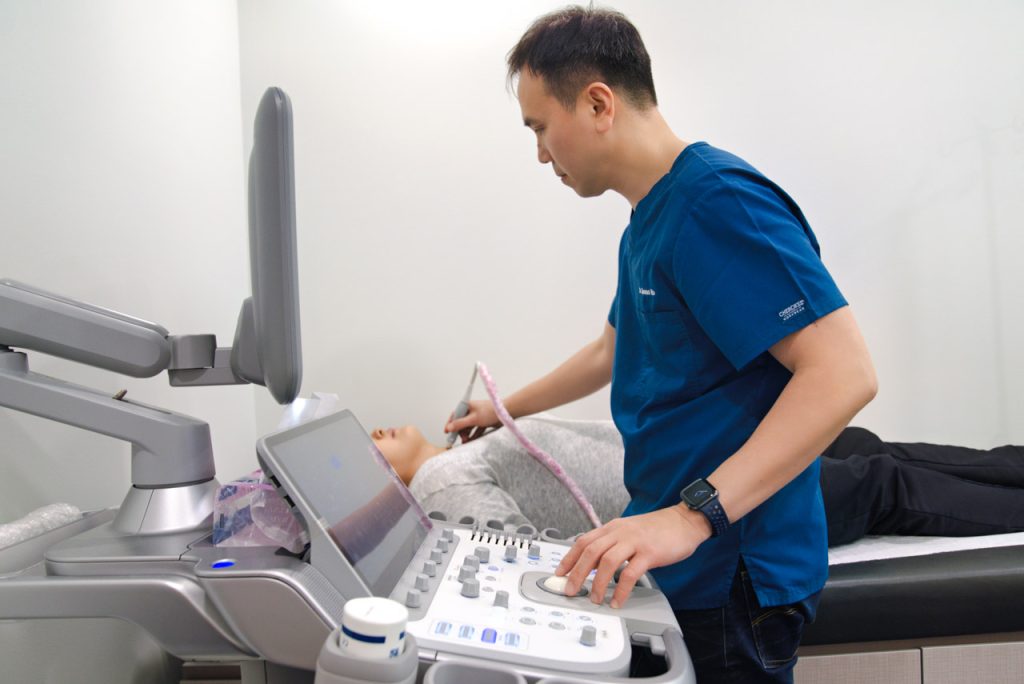
If you feel tired most of the time and notice associated symptoms such as hair loss, unexplained weight changes, or neck swelling, thyroid dysfunction may be a contributing factor.
Early assessment and treatment can help restore energy levels, improve mental clarity, and support overall well-being. A review with a specialist can provide clarity, reassurance, and guidance on appropriate next steps.
Appointments are available for assessment and second opinions.
References:
- Zamwar, U. M., & Muneshwar, K. N. (2023). Epidemiology, Types, Causes, Clinical Presentation, Diagnosis, and Treatment of Hypothyroidism. Cureus, 15(9), e46241. https://doi.org/10.7759/cureus.46241